
Disc pumps since 1982
When the pump keeps failing,
the pump is the problem.
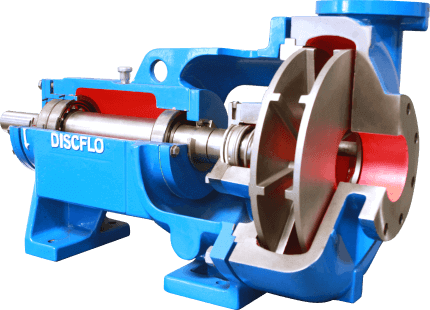
Abrasives, high viscosity, entrained air, stringy solids, shear sensitive product. Our disc pumps move them by viscous drag instead of an impeller — which is why they last where other pumps do not.
- 1982
- Building disc pumps since
- 10,000+
- Pumps in service worldwide
- 5,487
- Customers served
- <5%
- Of revenue from replacement parts
 Made in America
 ISO 9001:2015
 CE Certified
 ATEX Certified
 Saudi Aramco
 Hydraulic Institute
The Discflo difference
Not centrifugal. Not positive displacement.
Discflo disc pumps are not centrifugal, positive displacement, gear, or lobe pumps. They use smooth parallel discs and the properties of the fluid itself to move it — which is why they handle what other pumps cannot.
How a disc pump works →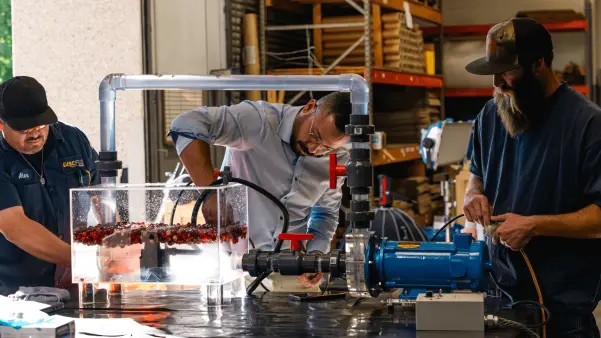
- 01
A boundary layer forms
A boundary layer of fluid molecules collects and rotates with the discs. This creates a natural, protective buffer that separates the pump from the fluid.
- 02
Viscous drag moves it
The rotating discs transfer momentum to the fluid by viscous drag rather than direct impact or centrifugal force, which eliminates damaging turbulence and shear.
- 03
It leaves in parallel streams
Fluid is pulled through the pump without impingement. The boundary layer attracts and drags successive layers of fluid molecules into layered flows of parallel streams.
Where they work
Nine industries, one recurring problem.

Oil & Gas
Heavy crude, entrained gas and abrasive sand, without losing prime.
Mining
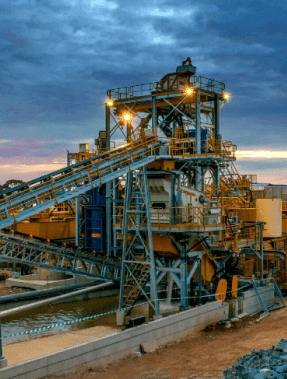
Slurries that chew impellers and shorten the life of everything else.
Wastewater
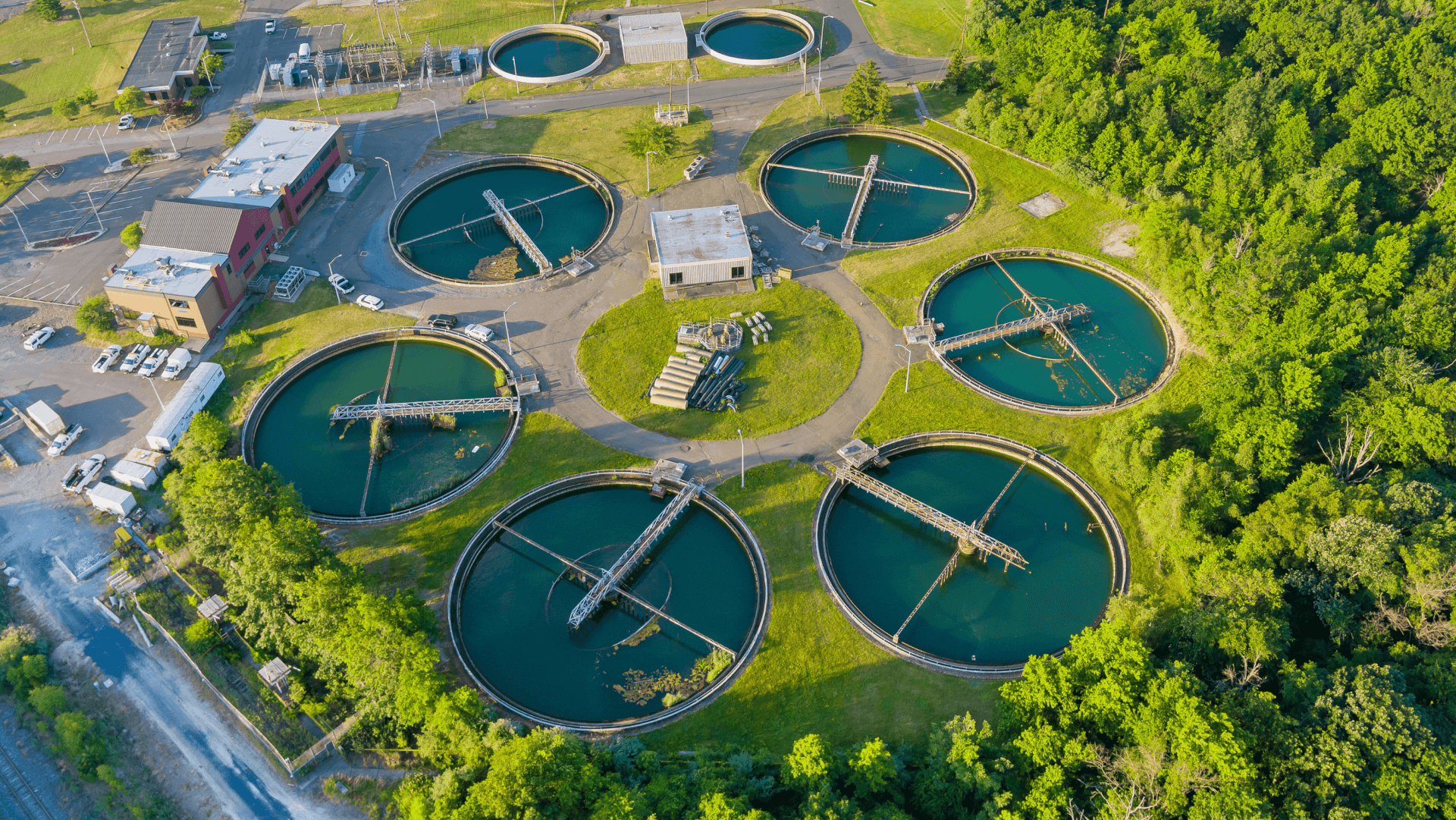
Rag and stringy solids pass through, so nobody unclogs anything.
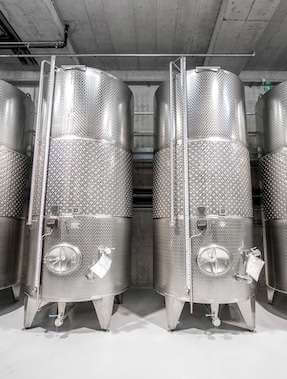
Food & Beverage
Shear sensitive product arrives the way it went in.
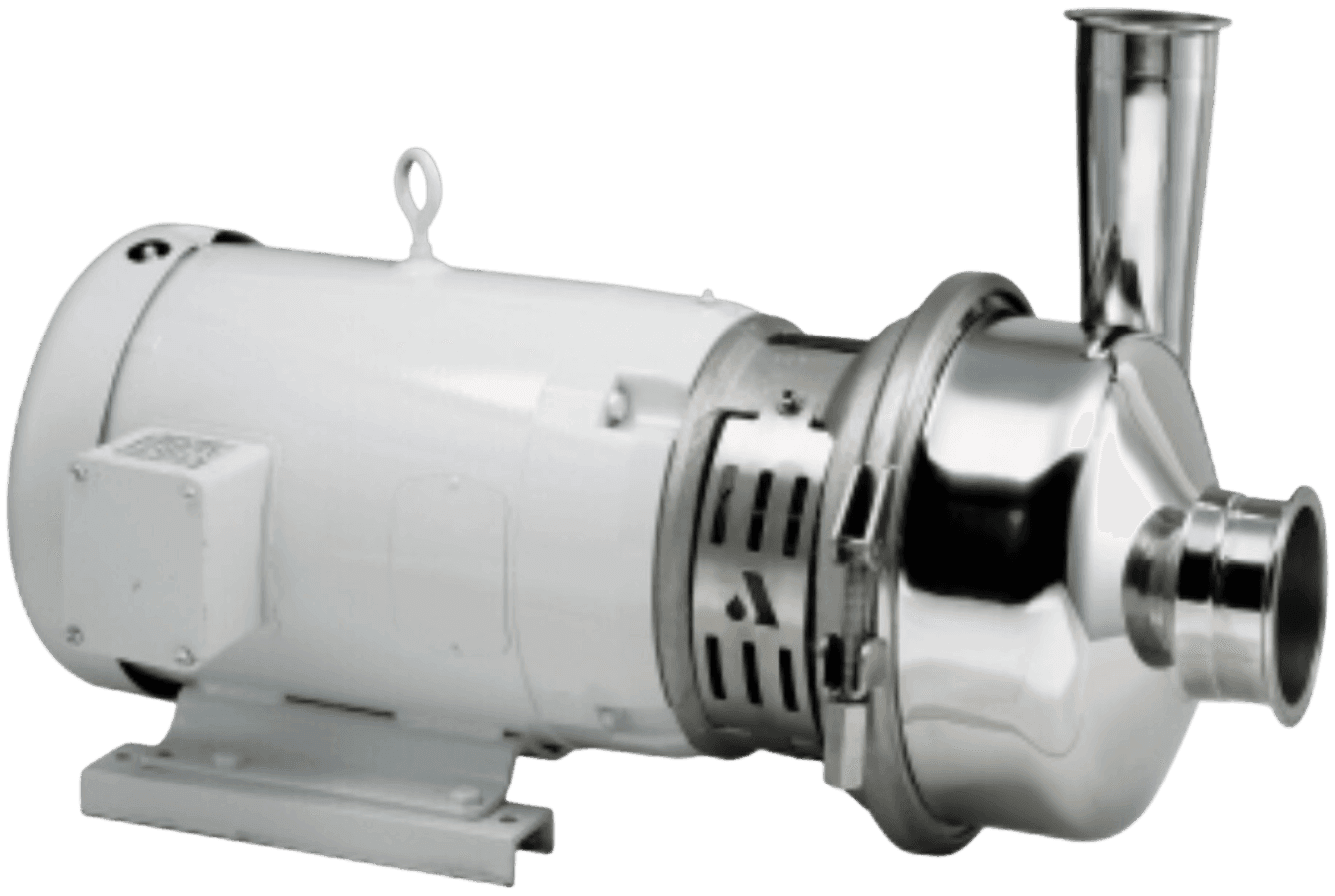
Pharmaceutical
Gentle, cleanable and documented, for product that cannot be damaged.
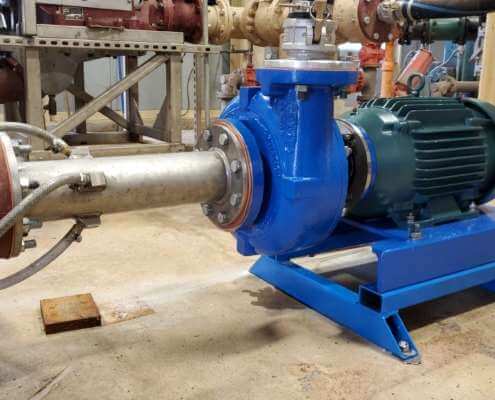
Pulp & Paper
Stock passes as laminar streams rather than being sheared by an impeller.
Running in plants at
Tell us what you are trying to pump.
Flow, head, viscosity, solids and temperature is enough to get started. Every Discflo pump is engineered to the application, so the conversation starts with the fluid, not the catalogue.
Size a pumpor call 1-800-DISCFLO